

Historical Day Trips from Berlin: Where to Go and How to Plan
The best historical day trips from Berlin are Potsdam, for Prussian palaces and the 1945 Potsdam Conference; the Sachsenhausen Memorial, for the history of Nazi persecution; Dresden, for Baroque Saxony and its postwar reconstruction; and Hamburg, for Hanseatic trade and maritime history. If the Reformation or the Peaceful Revolution of 1989 interests you more, Lutherstadt Wittenberg and Leipzig are both an easy train ride away.
This guide compares them by history, travel time and how much of a day each needs, so you can choose the one that suits your interests and pace. Travel times and opening hours change, so we give indicative figures (checked in October 2026) and recommend confirming with Deutsche Bahn and each site before you go. At the end, we also suggest three historical places that are inside Berlin itself and make good half-day outings instead.
Day trips from Berlin at a glance
| Destination | Best for | Indicative travel from central Berlin | Time to allow |
|---|---|---|---|
| Potsdam | Prussian palaces, gardens, the Potsdam Conference, Cold War sites | About 30 minutes by regional train or S-Bahn | Half to full day |
| Sachsenhausen Memorial | The history of Nazi concentration camps and the postwar Soviet special camp | About 45 minutes by S-Bahn, then a 20-minute walk | At least half a day |
| Lutherstadt Wittenberg | Martin Luther and the Reformation | Direct ICE trains; check current times | Full day |
| Leipzig | Bach, the Peaceful Revolution of 1989 | Direct ICE trains; check current times | Full day |
| Dresden | Baroque architecture, art collections, wartime destruction and rebuilding | Around two hours by direct train | Full day, ideally an overnight stay |
| Hamburg | Hanseatic trade, the port, Speicherstadt | Around two hours by direct ICE | Full day, ideally an overnight stay |
Potsdam: Prussian palaces and the end of the Second World War
Why go
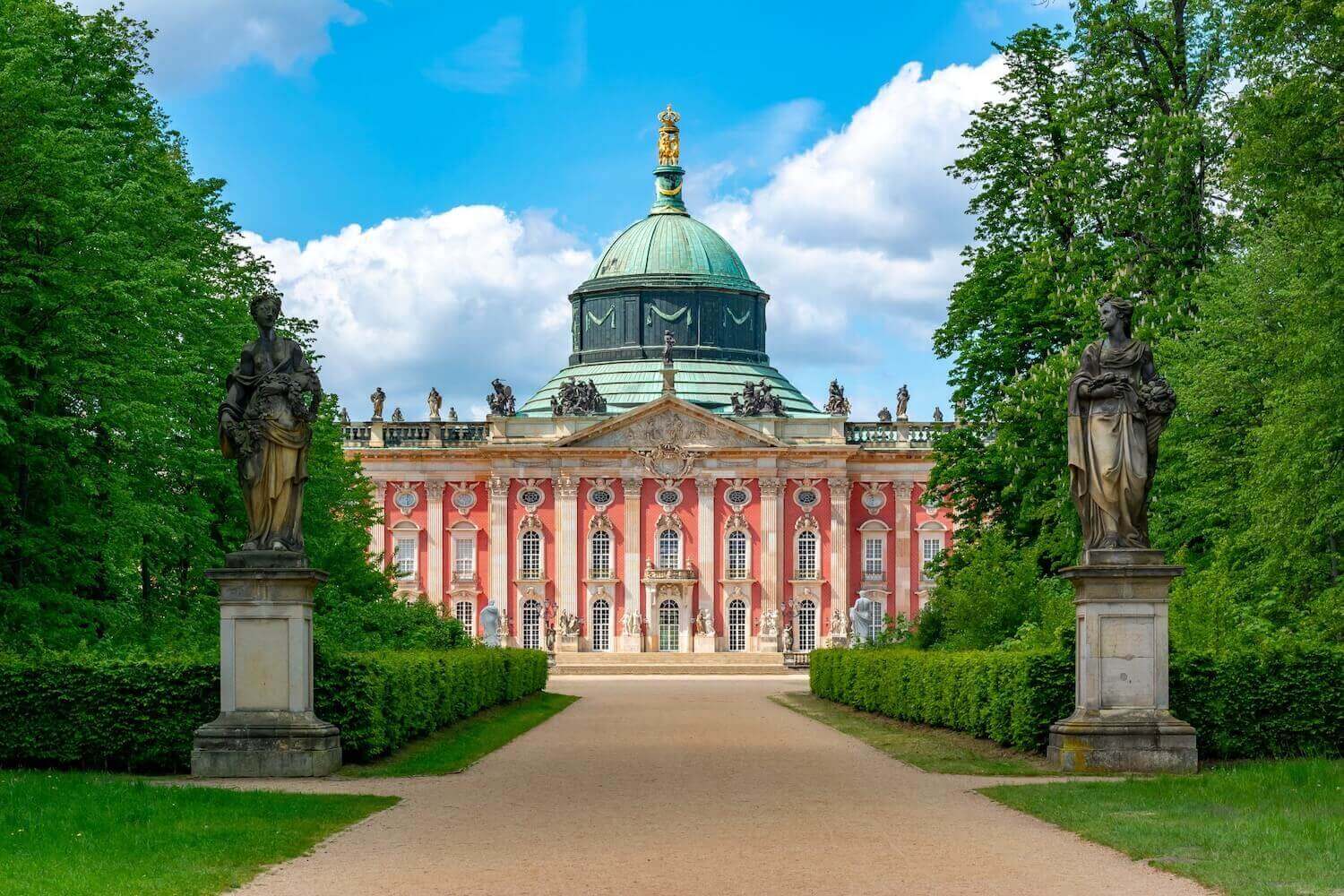
Potsdam was the second residence city of the Prussian kings, and its palaces and parks are part of the UNESCO World Heritage Site of the Palaces and Parks of Potsdam and Berlin. The best known is Sanssouci Palace, the summer palace that Frederick the Great had built between 1745 and 1747 on a terraced vineyard, with Rococo interiors that are among the finest of their kind. The surrounding Sanssouci Park also holds the New Palace and several smaller palaces and pavilions.
Potsdam is just as important for twentieth-century history. Cecilienhof Country House, built between 1913 and 1917 for Crown Prince Wilhelm and Crown Princess Cecilie, hosted the Potsdam Conference from July 17 to August 2, 1945. There, Truman, Stalin and Churchill (followed by his successor, Clement Attlee) agreed on principles for the occupation and administration of defeated Germany, and the Potsdam Agreement shaped the postwar order in Germany and Europe. The division of Germany came later, through the growing rift between the Allies; the conference was one of the turning points on that road rather than its single cause.
During the Cold War, the Glienicke Bridge (Glienicker Brücke) between Potsdam and West Berlin became known for the exchanges of captured agents and prisoners between East and West. The Leistikowstraße Memorial occupies a former central remand prison of Soviet military counterintelligence, in use from 1945 to 1991, and tells the story of the people held there.
Potsdam itself did not escape the war. On the night of April 14, 1945, a Royal Air Force raid destroyed large parts of the city center and killed more than 1,500 people, which is why parts of today’s historic center are postwar reconstructions.
Practical notes
- Travel: the RE1 regional train or the S7 S-Bahn reaches Potsdam Hauptbahnhof from Berlin Hauptbahnhof in about 30 minutes; the main sites are then spread out and need buses, trams or a car.
- Booking: visits to Sanssouci Palace are by timed admission with a limited number of tickets per day, and the palace is closed on Mondays, so book ahead through the Prussian Palaces and Gardens Foundation.
- Closures: Cecilienhof Country House is closed until further notice for restoration, so check its status before planning a visit around it.
- Who it suits: almost everyone. It is the easiest day trip from Berlin and works as a half day, but the palaces, gardens and Cold War sites are far enough apart that a full day with a car is more comfortable.
We run two private Potsdam days with hotel pick-up in Berlin and a private driver: a Potsdam royal palaces and gardens tour and a Potsdam World War II and Cold War tour that also includes sites in southwest Berlin.
Sachsenhausen Memorial and Museum
Why go
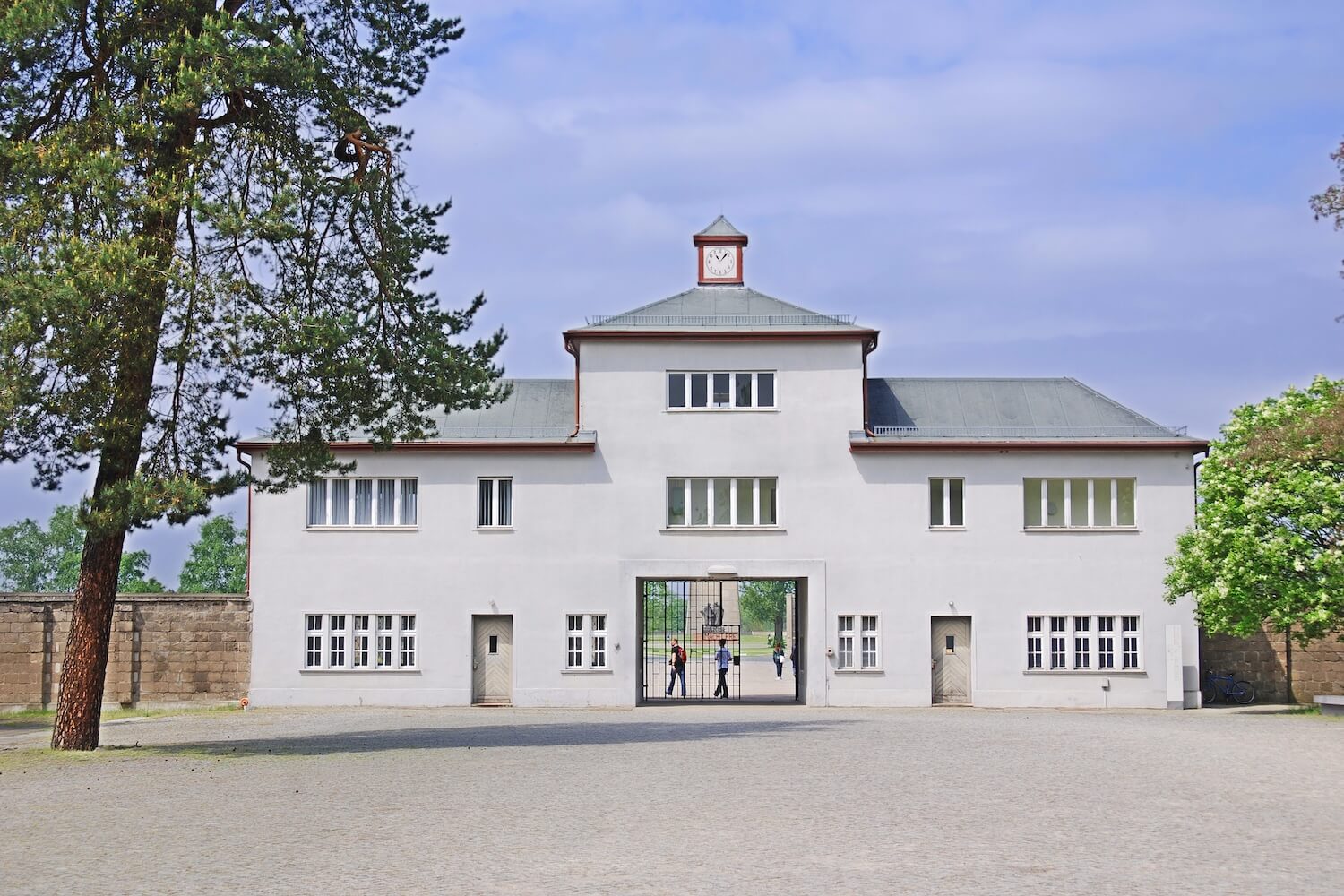
Sachsenhausen, in the town of Oranienburg just north of Berlin, was established in 1936 as a model concentration camp and a training site for the SS. More than 200,000 people were imprisoned there between 1936 and 1945: political opponents of the Nazi regime, Jews, Sinti and Roma, people persecuted as homosexuals and others the regime labeled “asocial” or “criminal,” and, after the outbreak of war, tens of thousands of people deported from occupied countries, including prisoners of war. Tens of thousands died from hunger, disease, forced labor, medical experiments and mistreatment or were murdered by the SS.
After the war, the Soviet occupation authorities used the site as Special Camp No. 7 (from 1948, No. 1) until 1950. Around 60,000 people were held there and some 12,000 died, mostly of hunger and disease. These are two distinct chapters of the site’s history, and today’s Sachsenhausen Memorial and Museum documents both.
Practical notes
- Travel: the S1 S-Bahn takes about 45 minutes from Friedrichstraße to Oranienburg, followed by a 20-minute walk or a short bus ride.
- Admission: free. The memorial does not recommend a visit for children under 14.
- Guiding: anyone guiding visitors on the memorial grounds must hold a license issued by the memorial.
- Who it suits: travelers who want to understand the Nazi camp system and are prepared for a serious, demanding visit. Allow at least half a day, and plan a quieter afternoon afterward. Current visitor information is on the Sachsenhausen Memorial and Museum website.
Dresden: Baroque Saxony, destruction and rebuilding
Why go
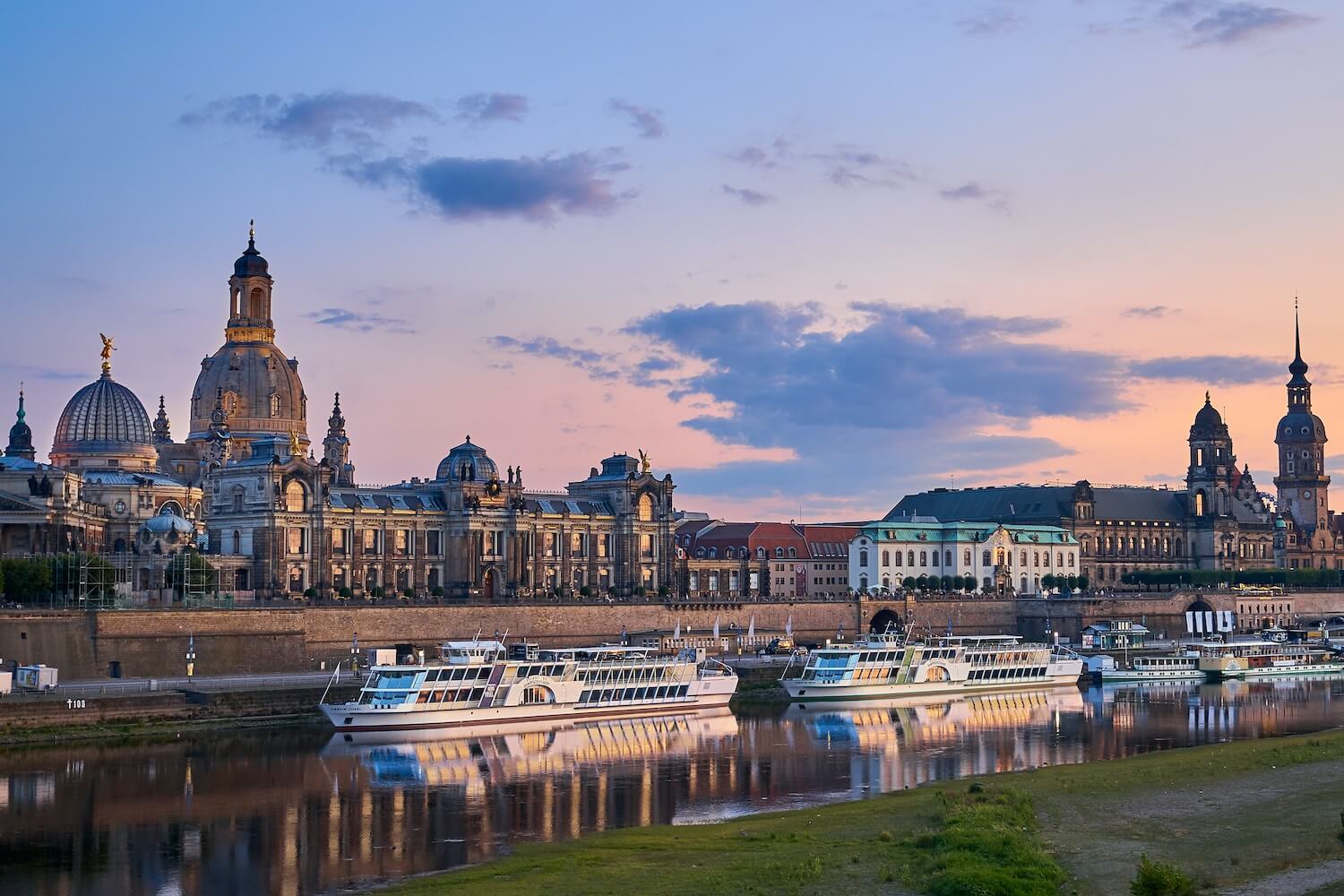
Dresden was the capital of the Electorate and later the Kingdom of Saxony, and its rulers filled it with Baroque palaces, churches and art collections: the Zwinger, the Semperoper, the Green Vault and the riverfront along the Elbe. The air raids of February 1945 destroyed much of the historic center. The Frauenkirche, which collapsed after the bombing and stood as a ruin for decades, was rebuilt and reconsecrated in 2005, and the reconstructed Neumarkt around it is one of Germany’s most debated examples of rebuilding a historic city.
Practical notes
- Travel: direct trains take around two hours each way, which makes Dresden a long day trip. An overnight stay lets you see the museums without rushing.
- Who it suits: travelers interested in art, architecture and the question of how a city remembers and rebuilds.
We offer private tours in Dresden, including a Best of Dresden walking tour that covers the Frauenkirche, Neumarkt, Semperoper and Zwinger and crosses to the Neustadt. These tours begin at your Dresden hotel; if you are coming from Berlin for the day, ask us how best to combine the journey with a guided visit.
Hamburg: Hanseatic trade and the port
Why go
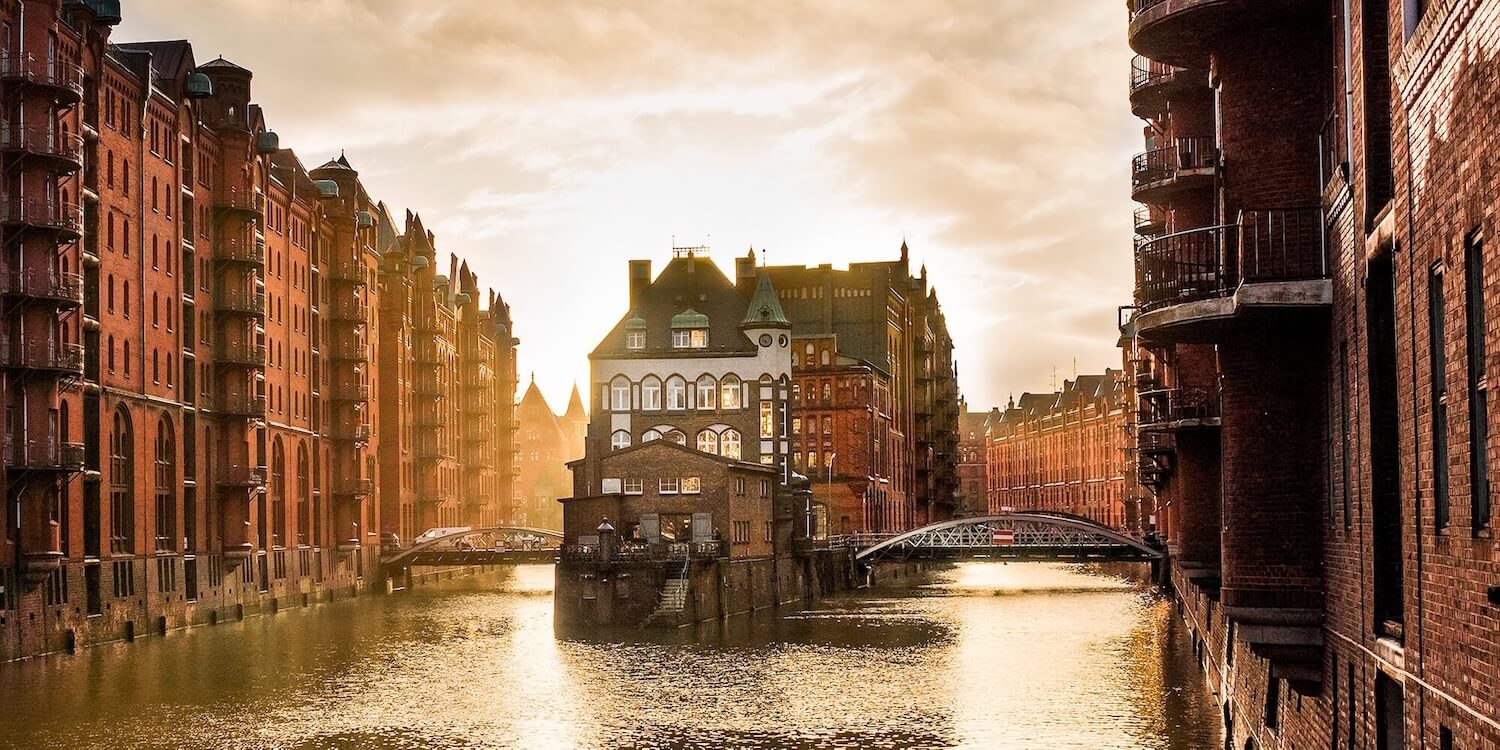
Hamburg built its wealth on trade and shipping and was a leading member of the Hanseatic world of merchant cities. Its Speicherstadt warehouse district, built from the late nineteenth century, is a UNESCO World Heritage Site together with the neighboring Kontorhaus district, and the Elbphilharmonie concert hall shows how the old harbor has been transformed. The ruined tower of St. Nikolai is now a memorial to the destruction of the air war.
Practical notes
- Travel: direct ICE trains take around two hours, so Hamburg works as a full day trip but is more relaxed with an overnight stay.
- Who it suits: travelers interested in maritime and commercial history, architecture and a very different city from Berlin.
Our Hamburg and Hanseatic League history tour covers St. Katharinen, the Speicherstadt, the Elbphilharmonie, the Landungsbrücken and the Old Elbe Tunnel. Like our Dresden tours, it begins at a hotel in the city, so let us know if you are traveling from Berlin.
Two more historical day trips by train
Lutherstadt Wittenberg
Wittenberg is where Martin Luther taught and where, according to tradition, he published his Ninety-five Theses in 1517, the event usually taken as the start of the Reformation. The Luther House and other Luther memorials in Wittenberg are part of a UNESCO World Heritage Site, and the compact old town is easy to explore on foot; the Luther House is about a 15-minute walk from the main station. Direct ICE trains from Berlin make it one of the quickest long-distance day trips, but check current connections with Deutsche Bahn.
Leipzig
Leipzig suits travelers interested in music and in the end of East Germany. Johann Sebastian Bach worked at St. Thomas Church for the last 27 years of his life, and the Monday prayers for peace at St. Nicholas Church grew into the mass demonstrations of autumn 1989, including the decisive march of October 9, that became part of the Peaceful Revolution. Direct ICE trains connect Leipzig with Berlin; allow a full day.
We do not currently offer set tours to Wittenberg or Leipzig. If either is on your list, contact our Berlin team and we will tell you honestly what we can arrange.
Historical outings within Berlin
These three places are often listed as excursions, but they are inside the city. They make good half-day outings, especially if you have already seen central Berlin.
Charlottenburg Palace
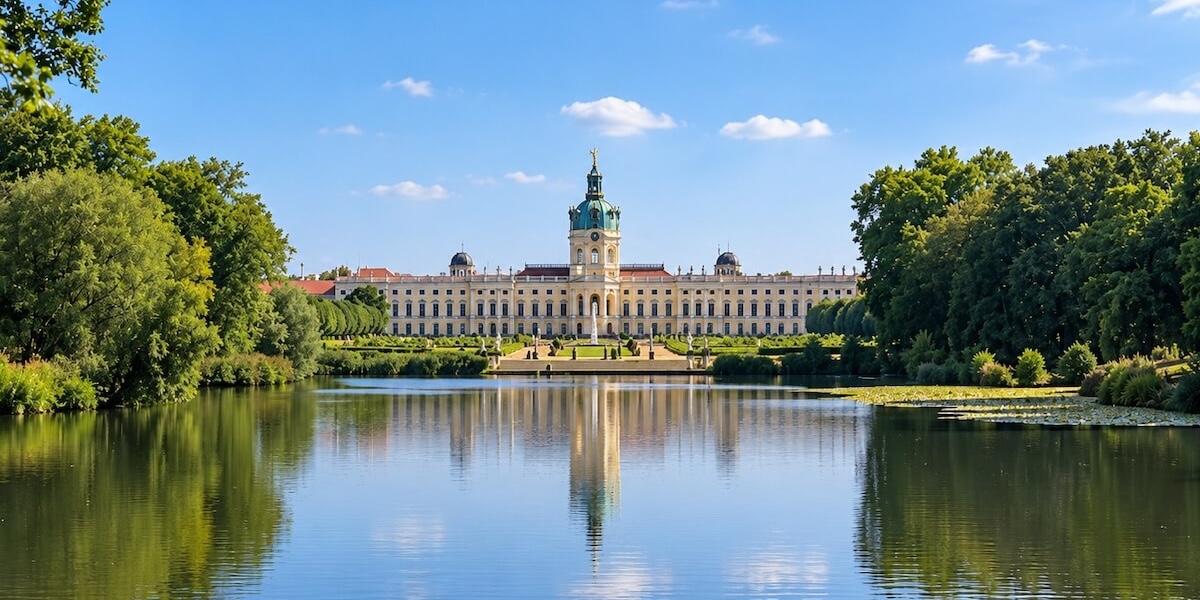
Charlottenburg began around 1700 as a summer residence for Sophie Charlotte, wife of Frederick I, the first king in Prussia. Frederick the Great later added the New Wing with its White Hall and Golden Gallery, and seven generations of the royal family remodeled the rooms. The palace was severely damaged in the Second World War and has been largely rebuilt and refurnished; much of what you see today is careful reconstruction. Highlights include the Porcelain Cabinet, the palace chapel and the Golden Gallery. The palace is closed on Mondays; the gardens are open daily from 8 a.m. until dark. To put it in context: Prussia was one of many German states within the Holy Roman Empire until that empire ended in 1806. A German Confederation followed in 1815, and a unified German Empire, led by Prussia, was founded only in 1871.
Teufelsberg
Teufelsberg in the Grunewald forest is an artificial hill made from millions of cubic meters of wartime rubble, piled over the shell of a Nazi-era military engineering faculty that had been planned as part of the “Germania” scheme. From the 1950s, American and British forces ran a listening station on the summit to intercept communications from the Eastern Bloc; its radar domes are still there. The station was abandoned after the Cold War, and the site, now a protected monument, is privately run and open to visitors during set opening hours, with guided tours available. Our Potsdam World War II and Cold War tour can include it on the way back to Berlin.
Soviet War Memorial in Treptower Park
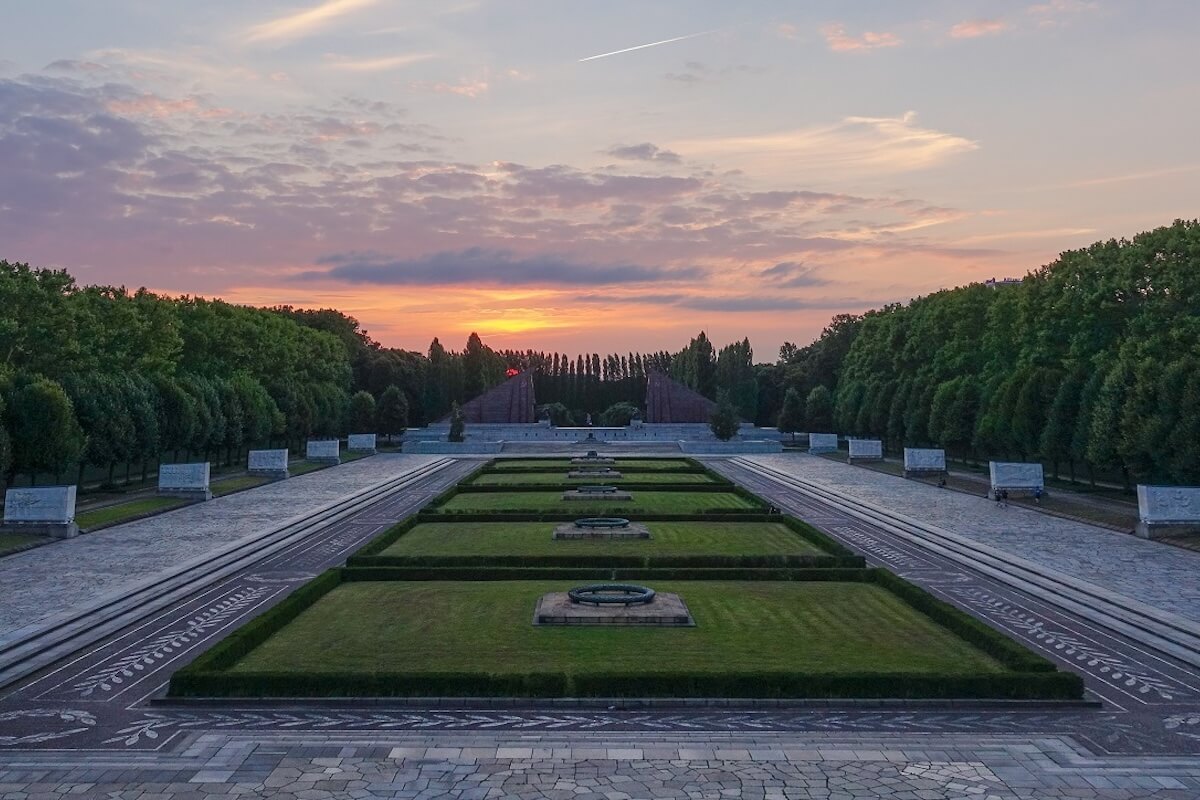
The Soviet War Memorial in Treptower Park, dedicated on May 8, 1949, is both a memorial and a military cemetery: around 7,000 soldiers of the Red Army are buried there. They are a fraction of the roughly 80,000 Soviet soldiers who died in the fighting for Berlin in 1945. The site is laid out on a monumental scale, ending in a mausoleum hill topped by the statue of a Soviet soldier carrying a child. It is free and open to the public; as a cemetery, it calls for quiet and respect. For more places connected to the war, see our guide to World War II sites in Berlin.
How to choose the right day trip from Berlin
- For royal history and gardens: Potsdam, with Charlottenburg Palace as a closer alternative.
- For the Second World War and the Cold War: Potsdam’s Cecilienhof (check its reopening), Glienicke Bridge and the Leistikowstraße Memorial, or Teufelsberg and Treptower Park within Berlin.
- For the history of Nazi persecution: the Sachsenhausen Memorial, as a day of its own.
- For art and architecture: Dresden, or Hamburg for a more northern, mercantile city.
- For religious and cultural history: Wittenberg for the Reformation, Leipzig for Bach and 1989.
- If you prefer less walking: Potsdam and Sachsenhausen both involve long distances on foot between sites; a car helps in Potsdam, while much of Sachsenhausen must be walked.
- If you have only three or four days in Berlin: take one day trip at most, and choose Potsdam unless one of the other themes matters more to you.
Private day trips from Berlin
A private guide and driver make the most difference where the sites are spread out, as in Potsdam, or where context is essential. Our Potsdam day trips include hotel pick-up in Berlin and a private driver, and every private tour can be adapted to your interests and pace. You can browse all of our private tours from Berlin, or, if you would like to combine several destinations or plan around a particular interest, we can design a tailor-made itinerary for you.

Frequently asked questions about day trips from Berlin
Potsdam, for Prussian palaces and the Potsdam Conference, and the Sachsenhausen Memorial, for the history of Nazi persecution, are the closest and most popular. Dresden and Hamburg are longer trips that reward an overnight stay, and Wittenberg and Leipzig suit travelers interested in the Reformation, music or 1989.
Yes. Potsdam is about 30 minutes from Berlin Hauptbahnhof by train and combines UNESCO-listed palaces and gardens with key sites of postwar and Cold War history. Book Sanssouci Palace in advance, as admission is by timed ticket and the palace is closed on Mondays.
Yes. The S1 S-Bahn takes about 45 minutes from Friedrichstraße to Oranienburg, followed by a 20-minute walk or a short bus ride. Admission is free. Allow at least half a day for the memorial itself.
Potsdam and Sachsenhausen are the easiest, both reachable on Berlin’s regional and S-Bahn network in under an hour. Wittenberg and Leipzig are also straightforward with direct ICE trains.
Yes, but it is a long day: direct trains take around two hours each way. If you want time for the museums as well as the Old Town, an overnight stay is more rewarding.
No. Charlottenburg Palace is inside Berlin, in the district of Charlottenburg, and makes a good half-day outing from the city center.
It is most useful for Potsdam, where the palaces, gardens and Cold War sites are far apart, and for travelers who prefer to limit walking. For Dresden, Hamburg, Wittenberg and Leipzig, the train is usually faster than driving.