Blog
Discover Berlin’s history, culture, neighborhoods, and top sites with our blog. Find expert tips, itineraries, and unique activities for your visit.
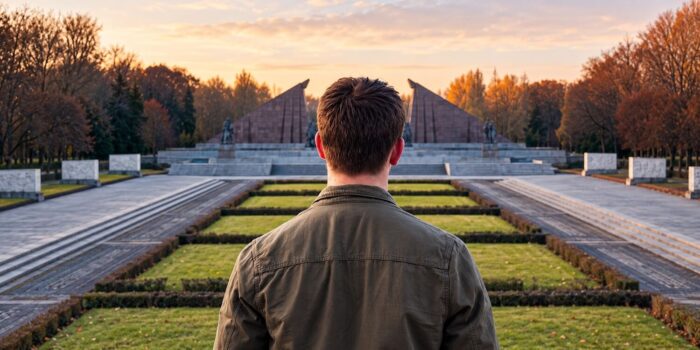
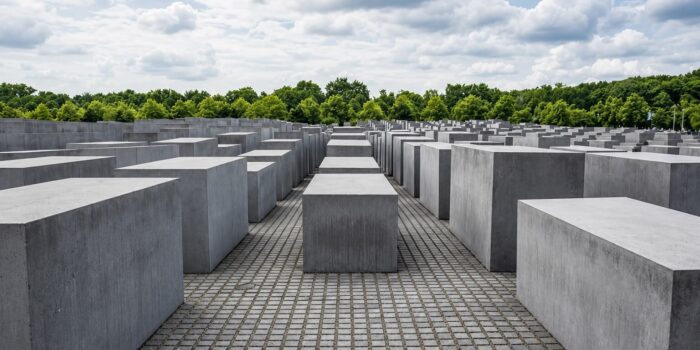
Berlin’s most important World War II sites include the Topography of Terror, the German Resistance Memorial Center, the House of the Wannsee Conference, Museum Berlin-Karlshorst and the Memorial to the Murdered Jews of Europe. Visitors can also see locations connected to the Battle of Berlin, including the Reichstag, Soviet war memorials and the former Führerbunker…
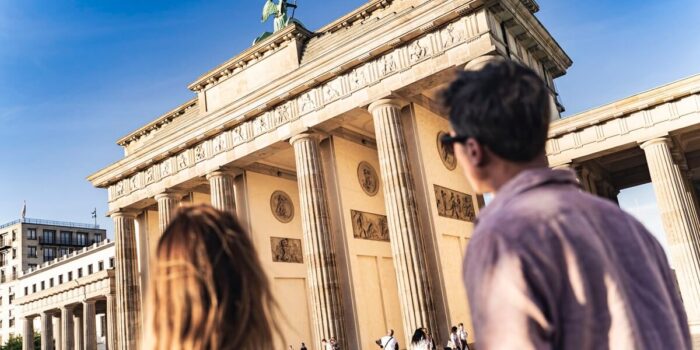
One day in Berlin is enough to understand how the city’s turbulent twentieth century fits together, as long as you stay in one compact area and resist the urge to see everything. The route below starts at the Berlin Wall Memorial, crosses the government district to the Brandenburg Gate and the Topography of Terror, and…
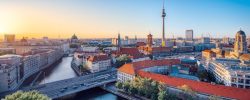
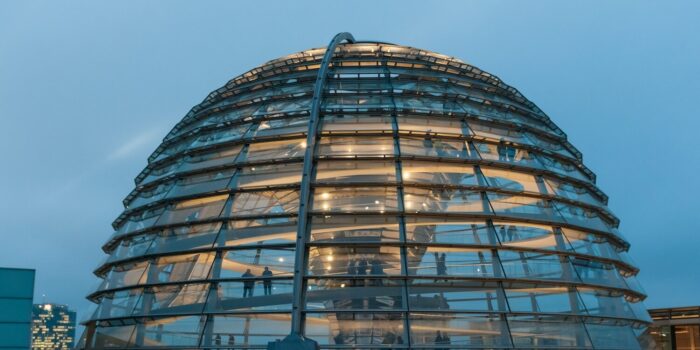
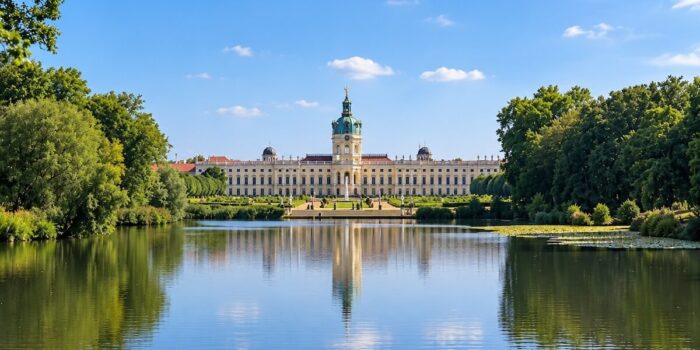
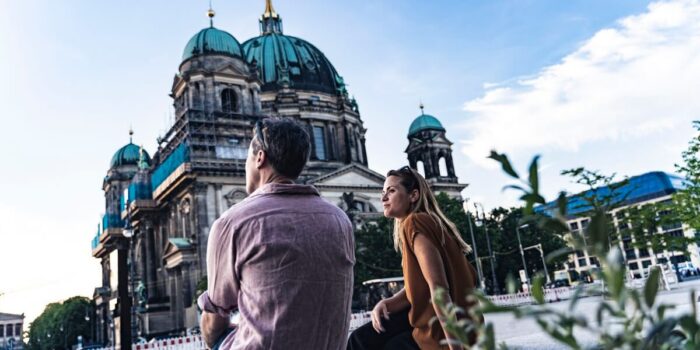
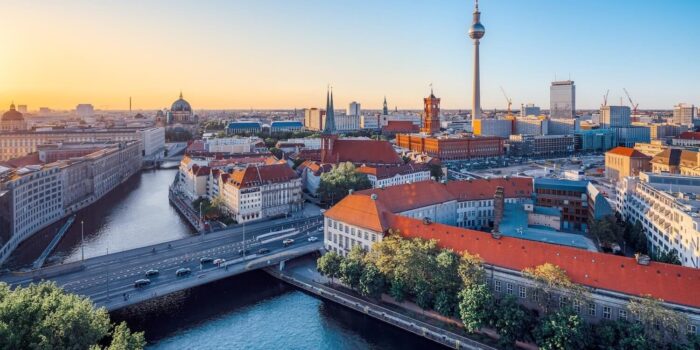
The most famous buildings in Berlin are the Brandenburg Gate, the Reichstag building with its glass dome, Berlin Cathedral and the museums of Museum Island, and the TV Tower at Alexanderplatz. Add the Kaiser Wilhelm Memorial Church, the Neue Nationalgalerie, the Jewish Museum Berlin, the reconstructed Berlin Palace (now the Humboldt Forum) and Charlottenburg Palace,…
Jewish Berlin is not one neighborhood or one museum. It is a history of more than seven centuries, marked by settlement, expulsion, return, achievement, persecution, murder and renewal, and its traces are spread across the city. The most important places to visit are the New Synagogue and the streets of the Spandauer Vorstadt in Mitte,…
The best historical day trips from Berlin are Potsdam, for Prussian palaces and the 1945 Potsdam Conference; the Sachsenhausen Memorial, for the history of Nazi persecution; Dresden, for Baroque Saxony and its postwar reconstruction; and Hamburg, for Hanseatic trade and maritime history. If the Reformation or the Peaceful Revolution of 1989 interests you more, Lutherstadt…
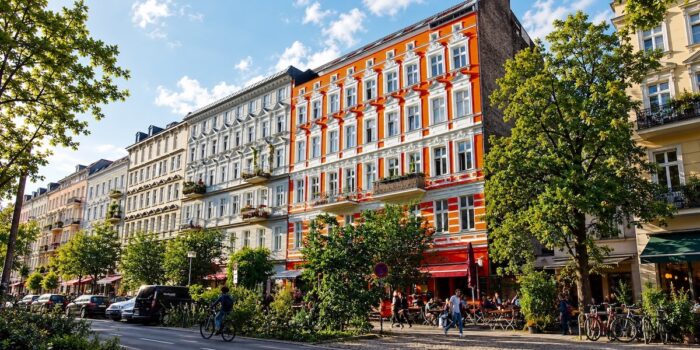
The best neighborhoods in Berlin for most visitors are Mitte, if it is your first trip and you want the major sights on your doorstep; Charlottenburg, for elegant West Berlin streets and a calmer pace; and Prenzlauer Berg, for leafy squares and cafés. If food, street life and evenings out matter more, look at Kreuzberg,…
Berlin culture is defined by change. Few European capitals have been rebuilt, renamed, divided and reinvented as often, and each period left something behind: Prussian palaces and museums, the experimental spirit of the 1920s, the scars of dictatorship and war, two rival cultural worlds during the Cold War, and the open, improvised creativity that followed…
What makes Berlin unique is that its history is still visible in the way the city works today. Berlin was divided for decades, so it has two of many things and no single center. Its neighborhoods feel like separate small towns. Old airports, power stations and breweries have been given new lives. Memorials sit in…
The best group activities in Berlin connect people with the city’s history and everyday life while working for everyone in the group, whatever their age, interests or mobility. For most groups, that means a private guided tour built around a shared theme, a food or evening experience that brings people together, and one or two…
Berlin ancestry tours usually begin with fragments. A name on a ship manifest. An address on the back of a photograph. A story a grandparent told once and never told again. Standing on the street those fragments describe can offer a different kind of understanding than reading about them at home. The building may be…